
Stop the Silent Exit
Accessibility Is the Smartest Retention Strategy You’ll Implement This Year
A practical, faith‑agnostic online training that turns accessibility into retention, trust, and impact.
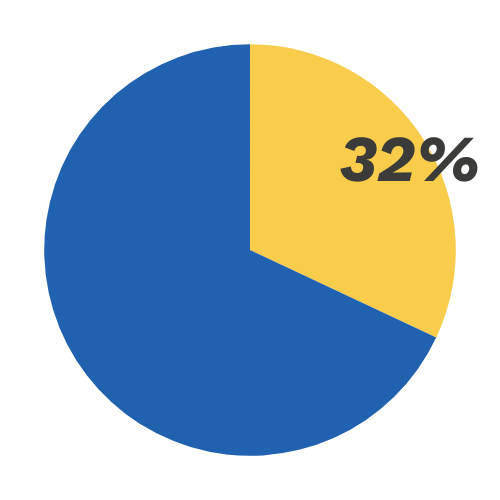
Unlock the First Two Lessons for Free32% of Families with a Disabled Child Change Their Place of Worship
Nearly one in three families with a disabled child changes their place of worship because their child was not included or welcomed, not out of anger, but out of exhaustion. They are tired of explaining, tired of navigating overstimulating environments, and tired of negotiating participation every single week. When a child cannot comfortably engage in worship or community life, the family makes a simple decision: this isn’t sustainable. So they quietly leave, often without complaint or confrontation. If one in three families is exiting because of preventable barriers, that isn’t a ministry failure, it’s a systems failure, and if systems can be redesigned, why wouldn’t we act?
Transform Your Faith Community
Belonging By Design™ - Leadership Training For Accessible Faith Communities
Attendance does not usually collapse overnight. It erodes quietly. Families miss a week. Then another. Seniors attend less frequently. Caregivers opt for livestream instead of navigating the building. Eventually, people disconnect, not because they lost belief, but because participation became exhausting.
Accessibility is not a facilities project. It is not a compliance issue. It is a retention strategy hiding in plain sight.
Empower Your Community
15+ Informative
Videos
Structured training that moves you from awareness to real-world implementation.

6 - 21 Mins
Lessons Each
Focused sessions that respect your time while delivering practical insight.

Resources To Support Your Progress
Downloadable tools and templates that turn learning into action.

Online Community of Like-Minded Learners
Ongoing peer support so you can lead this work with confidence.
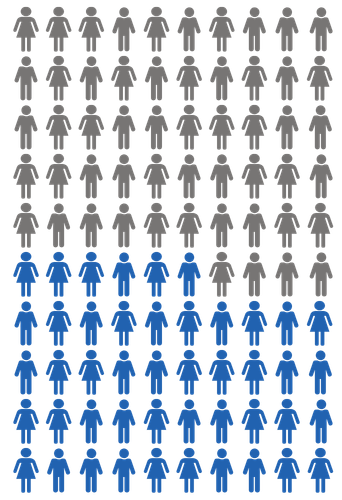
Nearly 46% of Adults Over 65 Live with a Disability
Accessibility is often treated as a niche concern affecting only a small portion of the population, but that assumption is simply incorrect. One in four adults in the United States lives with a disability, and among adults over 65 that number rises to nearly 46 percent. If your community is aging, and most are, accessibility is not optional; it is foundational to sustaining your core membership. Consider who anchors your stability:
- Long-term givers
- Regular volunteers
- Lay leaders and committee chairs
- The holders of institutional memory
As mobility changes, vision declines, hearing shifts, and stamina decreases, participation becomes more demanding. If the environment does not adapt, attendance erodes gradually and quietly. When seniors disengage, the consequences are not only relational but financial and operational, affecting volunteer capacity and leadership continuity. Designing for accessibility is designing for longevity, and it sends a clear message to aging members: we planned for you to remain here.
What This Class Actually Provides
This is not a checklist of legal requirements. It is a leadership operating system.
The training includes more than four hours of structured content designed for executive decision-makers. It addresses physical space, communication practices, digital presence, volunteer culture, and implementation sequencing.
The goal is not to overwhelm you. It is to give you a clear starting point and a defined progression.
Accessibility is most effective when it is integrated into leadership conversations about growth, retention, and sustainability, not delegated to an ad hoc committee with no authority.
You will walk through:
- How to identify physical barriers that affect participation.
- How to assess digital systems, including livestream and website accessibility.
- How to address communication gaps that exclude Deaf, hard-of-hearing, blind, or low-vision members.
- How to build a volunteer accessibility team with clear responsibilities.
- How to create a 30-day action plan that is realistic and sustainable.
- How to align accessibility with your broader leadership strategy.
1 in 5 Americans Is an Unpaid Caregiver
More than 50 million Americans are unpaid caregivers, including parents of children with disabilities, adult children caring for aging parents, spouses supporting partners with chronic illness, and individuals balancing work, family, and medical responsibilities. When your building is difficult to navigate, your services are overwhelming, or participation requires constant explanation and assistance, caregivers quietly calculate the energy, stress, and emotional cost of attending. If that cost is too high, they stay home. And when they stay home, you do not lose a single attendee, you lose an entire relational unit, often spanning multiple generations. Accessibility reduces that friction. Clear wayfinding, thoughtful sensory environments, digital access, and intentional participation design make engagement sustainable rather than exhausting. When you design for caregivers, you protect attendance patterns that would otherwise erode over time.

Are You Ready to Create the Truly Welcoming Community You Talk About?
Belonging By Design™
Leadership Training For Accessible Faith Communities
A practical, faith‑agnostic online training that turns accessibility into retention, trust, and impact.
Unlock Action Today